


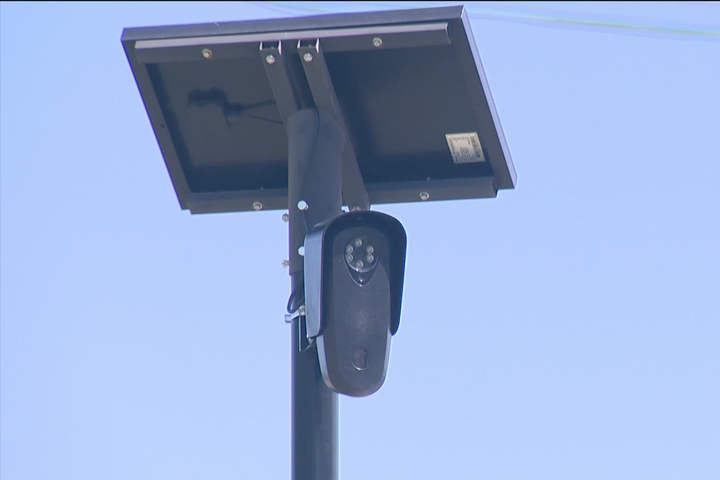


MORRIS COUNTY — Cameras are everywhere today — on buildings, in stores, and even in doorbells. But there is another type of surveillance technology that many drivers may not think about very often: license plate readers.
What Are License Plate Readers?
License plate reader cameras, often referred to as LPRs, are small cameras typically mounted along roadways, on poles, or attached to patrol vehicles. Their primary job is simple: they scan and photograph license plates.
These cameras operate continuously, capturing thousands of plate images each day. Specialized software reads the characters on the plate and converts them into searchable data.
Like many technologies, license plate readers come with both advantages and concerns.
How Law Enforcement Uses License Plate Readers
For law enforcement agencies, LPRs can be a valuable investigative tool. The cameras can record vehicles entering or leaving an area and compare license plate numbers against databases of stolen vehicles or cars associated with criminal investigations.
If a flagged vehicle passes by one of these cameras, officers can receive an alert indicating the vehicle’s location. This capability can assist police in locating stolen cars, identifying suspects, and tracking vehicles involved in serious crimes.
Supporters of the technology say this type of system can help law enforcement respond more quickly and efficiently.
The Privacy Questions
However, the same technology that helps police can also raise privacy concerns.
Because license plate readers operate continuously, they can create a large collection of data about vehicle movements. Over time, that information can show where a vehicle regularly travels or parks.
Since license plates are tied to vehicle registrations, the information can potentially be connected to a vehicle owner.
Drivers generally cannot opt out of license plate scanning while traveling on public roads. Laws require that license plates remain visible and unobstructed, which allows the cameras to capture them as vehicles pass.
Some critics worry that large databases of plate scans, especially when combined with modern data analysis tools, could be used to track travel patterns or build detailed records of vehicle movements.
How Businesses Use License Plate Data
License plate reader technology is not limited to law enforcement. Some businesses and private organizations also use the cameras.
Retail centers, parking facilities, and other commercial locations may deploy license plate readers to monitor parking usage, identify repeat shoplifters, or manage security.
In some cases, the data can also be used for marketing or operational analysis, helping businesses understand how often customers visit or how long they stay.
Supporters argue this can improve security and efficiency, but critics say it may also allow companies to collect detailed information about customer behavior.
A Technology That Raises Important Questions
License plate reader technology continues to expand as cameras become cheaper and data analysis tools grow more powerful.
For many people, the cameras go largely unnoticed. Yet they operate every day, scanning vehicles and building records of where cars have been.
The debate around license plate readers often comes down to a fundamental question: who has access to this information — law enforcement, private companies, or both — and how is the data being used?
As surveillance technology becomes more common, that question is likely to remain an important topic of discussion.