

Wednesday, August 19, 2026
Home Blog Page 492

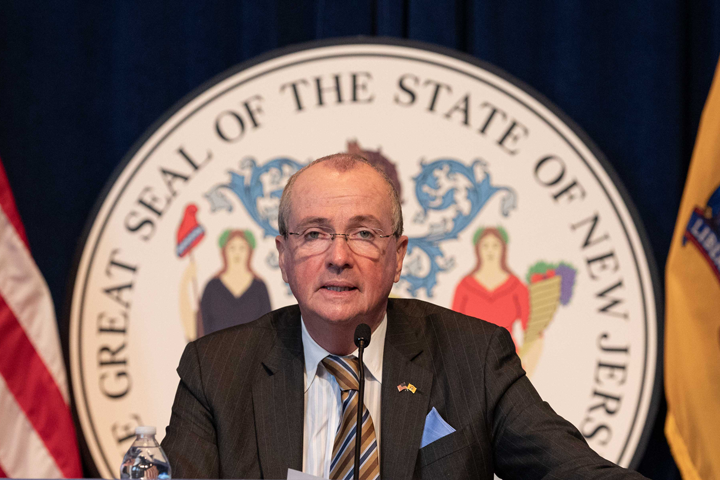
Murphy Administration Announces Reopening Guidance for Schools

0

MORRIS COUNTY — Governor Phil Murphy and Department of Education Commissioner Lamont O. Repollet announced the release of “The Road Back: Restart and Recovery Plan for Education” to assist schools with reopening in the fall. The guidance announces that, absent a change in public health data, public schools will open for in-person instruction and operations in some capacity at the beginning of the 2020-2021 school year.

The guidance envisions schools operating within necessary standards to protect the health and safety of students and staff. The guidance includes minimum standards such as following certain social distancing practices in classrooms and face-covering measures for students and staff. The guidance also provides recommendations to assist districts in achieving these standards, such as implementing hybrid learning environments in which students receive both in-person and remote instruction.

Each district will be expected to develop, in collaboration with community stakeholders, a plan to reopen schools in the fall that best fits the district’s local needs. The guidance provides anticipated minimum standards regarding health and safety that districts should use as they plan for reopening. The guidance also provides additional considerations that may help districts as they develop their plans.

“This has been an unprecedented time for our students and educators, but we are pleased to announce that we anticipate the return to our classrooms in some capacity this fall,” said Governor Murphy. “The return to school will pose challenges, but we are confident that New Jersey’s school districts can move forward in a way that best serves the needs of their district while also achieving a safe environment for students and staff.”

“I understand this will be no easy feat,” Education Commissioner Lamont O. Repollet said of the return to school. “Knowing that the health of students and staff is our number one concern, our guide will begin to fill in the picture of what a safe education system will look like in the fall.”

Governor Murphy’s Executive Order 104 ordered all New Jersey schools to close starting March 18, 2020, due to the COVID-19 global pandemic. After the Department worked with school districts to ensure stability through remote instruction, food security for children where needed, and equity in education for students, the focus immediately turned toward planning for reopening.

The guidance relies upon the most up-to-date data and recommendations from the New Jersey Department of Health and was informed by input from school communities. The Department has been engaged in regular contact with educators and stakeholders and has conducted daily site visits, weekly stakeholder meetings, and discussions with a standing committee of nearly two dozen superintendents. Beyond this ongoing engagement, the NJDOE convened approximately 50 education and community organizations, met with over 300 superintendents, and surveyed nearly 300,000 parents/guardians to inform the development of the reopening plan.

“New Jersey educators and families did an amazing job over the past three months implementing remote learning, even with relatively little time for planning. That effort was nothing short of heroic,” said Commissioner Repollet. “However, too many parents feel that remote-only instruction isn’t working for their child, and too many children are falling behind. It is becoming abundantly clear that children need to return to a school environment in some capacity, and we need to do so safely. This is a matter of educational growth, and it’s a matter of equity.”

The guidance focuses on four key functional areas: conditions for learning, leadership and planning, policy and funding, and continuity of learning.

The guidance sets the minimum standards for returning to school and serves as a toolkit for schools to use as they develop their recovery plans – recognizing that flexibility is needed as each school will have unique needs and circumstances, and some efforts will need to be guided by local health officials. The guidance describes several health and safety standards to be prioritized in school reopening:

  • Social distancing: Schools and districts must allow for social distancing within the classroom. This can be achieved by ensuring students are seated at least six feet apart. If schools are not able to maintain this physical distance, additional modifications should be considered. These include physical barriers between desks and turning desks to face the same direction (rather than facing each other)or having students sit on only one side of a table and spaced apart.
  • Face coverings: School staff and visitors are required to wear face coverings unless doing so would inhibit the individual’s health or the individual is under two years of age. Students are strongly encouraged to wear face coverings and are required to do so when social distancing cannot be maintained unless doing so would inhibit the student’s health. It is necessary to acknowledge that enforcing the use of face coverings may be impractical for young children or certain individuals with disabilities.
  • Limited capacity: It is recommended that students and staff be seated at least six feet apart in class when practicable. When the weather allows, windows should be opened to allow for greater air circulation.
  • Cleaning/disinfecting: Procedures must be implemented by each school district for the sanitization of school buildings and school buses. Increased handwashing measures are also important for students and staff.

These provisions are informed by Centers for Disease Control (CDC) guidelines, which call for protecting staff and students who are at higher risk for severe illness, such as providing options for telework and virtual learning; providing reasonable accommodations for older adults (65 years and older) and individuals with serious underlying medical conditions; and, when possible, keeping early childhood students apart during naptime and avoiding close-group activities like reading circles.

Other provisions in the guidance include:

  • Cafeteria directors should consider staggering meal times to allow for social distancing; discontinuing self-serve or buffet lines; having students eat meals outside or in their classrooms, and requiring staff to disinfect eating areas between groups.
  • Recess should also be held in staggered shifts, with efforts to promote social distancing and hygiene protocols.
  • Cohorting: Schools may wish to identify small groups of students and keep them together (cohorting) to ensure that student and staff groupings are as static as possible, thereby limiting exposure to large groups of students.
  • School bus operators should encourage social distancing. CDC guidelines recommend seating on a school bus such that there is one student seated per row, skipping a row between each child, if possible. Barriers separating rows of bus seats may also be considered. If social distancing is not feasible, face coverings must be worn by students who are able to do so. Increased ventilation (i.e. opening windows) is also recommended in the guidelines.

Because reopening is dependent upon health data and informed by experts in the health field, districts will need to be prepared to pivot to remote instruction at any time during the 2020-2021 school year. The guidance stresses that each school district should be working to ensure every student has a device and internet connectivity available, and it identifies funding streams available to school districts to ensure students have access to technology.

Districts should strive to share preliminary scheduling plans with staff, families, and students at least four weeks before the start of the school year in order to allow families to plan child care and work arrangements.

Click here for a summary of the guidance.

Click here for the full guidance.
Murphy Signs Legislation to Limit Excessive Third-Party Delivery Service Fees

0
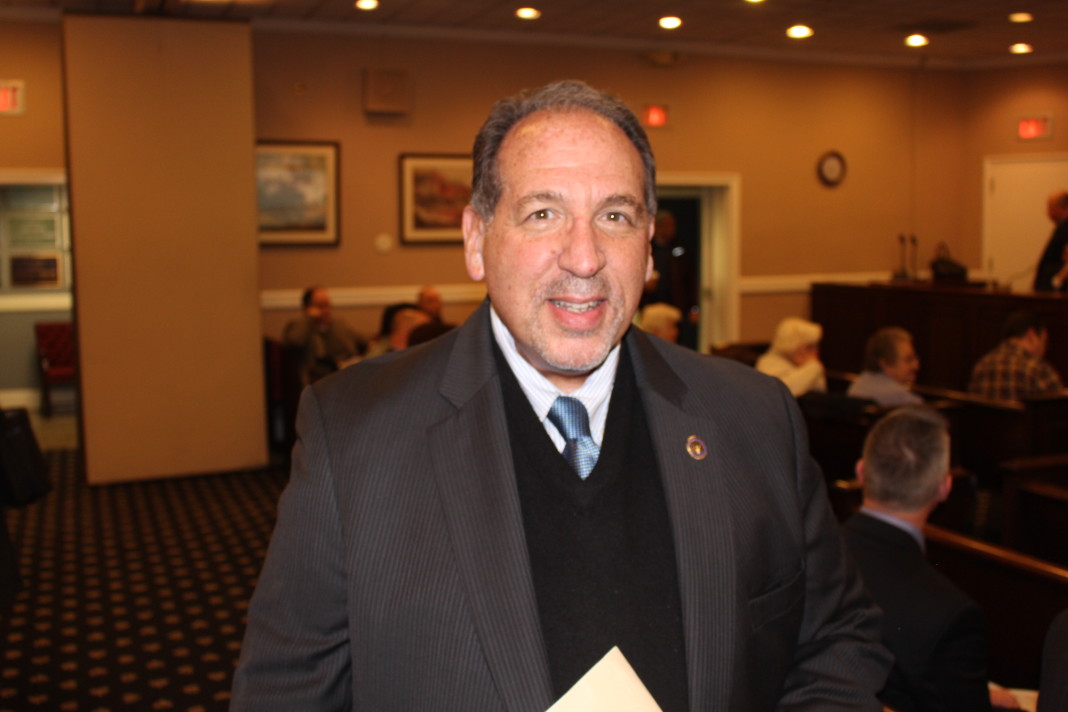
Assemblywoman Aura Dunn

MORRIS COUNTY — Governor Phil Murphy today signed legislation (S2437) which places limits on service fees charged to restaurants by third-party delivery applications and websites during a state of emergencies declared by the Governor in response to COVID-19. The legislation provides much-needed relief to restaurants across New Jersey that have faced excessive fees while being limited to takeout and delivery service.

“By following public health guidelines, restaurants across New Jersey have contributed to flattening the curve and to the enormous progress we have made against COVID-19,” said Governor Phil Murphy. “Through this legislation, now law, dining establishments throughout our state will receive much-needed relief from excessive service fees if public health necessitates the return of dine-in restrictions.”

The legislation prohibits third-party food takeout and delivery service applications and websites from charging service fees greater than 20 percent of the cost of the individual order or greater than 10 percent of the cost of the individual order when the order is delivered by an employee of the restaurant or an independent contractor with whom the restaurant has contracted directly. The limits are in effect during a state of emergency and until the first day of the third month following any state of emergency declared by the Governor in response to COVID-19 that restricts restaurant dine-in service to less than 25% of the maximum capacity allowed by law.

Primary sponsors of this legislation include Senators Vin Gopal and Joseph Cryan and Assemblymembers Annette Quijano, Serena DiMaso, and Aura Dunn.

“Some of these so-called service fees for food delivery are just way out of line,” said Senator Joe Cryan. “Restaurants have been some of the hardest hit businesses in the shutdown and they face an uphill struggle as we gradually reopen. For now, they are relying on takeout to try to keep their businesses alive. It is unconscionable to take advantage of this crisis by charging them inflated fees for delivery service. We need to support local businesses and work together to get through these hard times.”

“During this crisis, many struggling restaurants have turned to third-party deliveries to make ends meet, but some bad actors have taken advantage of them with unaffordable fees,” said Senator Vin Gopal. “I’m proud to sponsor this new law, which will protect these restaurants as they work hard to feed our communities and families while weathering this pandemic.”

“Since the COVID-19 pandemic began, restaurants have been limited to offering takeout and delivery options to customers,” said Assemblywoman Annette Quijano. “As a result, customers have been turning to food takeout and delivery apps to simplify the process of ordering food from their favorite restaurant. It’s likely many don’t know that the restaurant they are trying to support is actually paying an enormous fee to the app they’re ordering from. There’s no reason for apps to be charging outlandish fees to restaurants during the middle of a global public health emergency. Apps can be a vital tool in helping restaurants stay in business, but that won’t be the case if they are charging unreasonable fees. It’s time we put a stop to this unfair practice and ensure restaurants will only be responsible for a fair fee per order.”

“It’s a margin killer for many of our Main Street businesses,” said Assemblywoman Serena DiMaso. “They’re keeping 32 percent of the order payment in a restaurant business where margins are maybe 15 or 20 percent.”

“Third-party services are no longer fringe experiments, but rather a mainstream piece of the restaurant business,” said Assemblywoman Aura Dunn. “For all their hard work to keep afloat, this cap helps those restaurants stay in business.”

Murphy Signs Executive Order Establishing Rules for Dining, Recreational Facilities, and Instruction at Gyms and Fitness Centers

0
Governor Phil Murphy. Photo by Rich Hundley, Trentonian

MORRIS COUNTY — Governor Phil Murphy signed Executive Order No. 157, which implements the reopenings announced earlier this week that will take effect on Thursday, July 2.

Specifically, the Order contains several requirements for indoor dining, which can resume on July 2 but will be limited to 25 percent capacity and patrons will be required to order and consume food or beverages while seated.

The Order also contains the baseline requirements for indoor recreational and entertainment businesses, which can open on July 2 at 25 percent capacity, with the exceptions of gyms and fitness centers, movie theaters, performing arts centers, other concert venues, and indoor amusement and water parks. Further, dance floors at any business must be closed or cordoned off. Gyms and fitness centers can, however, offer individualized indoor instruction by appointment only.

“As we enter into the latter phases of stage two of our restart, we ask New Jerseyans to continue to answer the call of personal responsibility that has gotten us this far,” said Governor Murphy. “We have been actively working up to this point for weeks and are confident that the health metrics we needed to see are in place.”

The requirements for retail businesses are restated in this Order for clarity, but these requirements are unchanged, other than a clarification that the 50 percent capacity limitation will not include the retail establishment’s employees. The Order comprehensively states the COVID-19-related requirements that apply to businesses in the retail, dining, and recreation sectors.

The indoor dining requirements include:

-Limit the number of patrons in indoor areas to 25 percent of the food or beverage establishment’s indoor capacity, excluding the food or beverage establishment’s employees;
-Ensure that tables, where individuals or groups are seated, are six feet apart in all directions from any other table or seat and that individual seats in any shared area that is not reserved for individual groups, such as an indoor bar area, are also six feet apart in all directions from any other table or seat;
-Require patrons to wear face coverings while inside the indoor premises of the food or beverage establishment, except when seated at their table or in their individual seat. This requirement does not apply if the patron has a medical reason for not wearing a face-covering or is a child under two years of age;
-Food or beverage establishments with table service may only allow patrons to place orders when seated, and only wait staff may bring food or beverages to seated patrons;
-Patrons may only consume food or beverages while seated (meaning they cannot walk around with their beverages, for example); and
-Abide by all other health and safety standards issued by the Commissioner of the Department of Health, including infection control practices and other sanitization protocols, consistent with her authority under the Emergency Health Powers Act.

The Department of Health issued an updated Executive Directive that incorporates the above requirements and contains comprehensive health and safety standards and protocols for food or beverage establishments, including both their outdoor and indoor areas.

The Executive Order describes the requirements for recreational and entertainment businesses that can open, which include libraries, museums, aquariums, and public and private social clubs.

These businesses must limit the capacity of their indoor premises to 25 percent and are held to many of the same requirements that are imposed on retail businesses (a full list of the requirements is in the Order). However, gyms and fitness centers, movie theaters, performing arts centers, other concert venues, and indoor amusement and water parks, must keep their indoor spaces closed, and dance floors at any business must be closed or cordoned off.

Gyms and fitness centers are, however, permitted to offer individualized indoor instruction by appointment only where an instructor is offering training to an individual, and the individual’s immediate family members, household members, caretakers, or romantic partners. If a gym or fitness center is offering multiple simultaneous instructions at the same facility, these instructions must take place in separate rooms or, if they take place in the same room, must be separated by a floor-to-ceiling barrier that complies with all fire code requirements.

Playgrounds are also permitted to open on July 2. Additionally, personal care services that would require the removal of a face covering, such as facials, can resume on July 2 as well, subject to otherwise applicable requirements issued by the Division of Consumer Affairs and the Department of Health.

In the coming days, the Department of Health will issue standards and protocols for both indoor pools and outdoor amusement and water parks. The Division of Gaming Enforcement will issue standards and protocols for casinos, which will be open on July 2 but will be subject to additional requirements.

For a copy of Executive Order No. 157, please click here.

For a copy of the Department of Health’s updated Executive Directive on outdoor and indoor dining, please click here.

Morris County Prosecutor and Detective Supervisor Join Virtual Teen “Table Talk” Event

0
Morris County Prosecutor Fred Knapp

MORRIS COUNTY — Morris County Prosecutor Fredric M. Knapp and Detective Supervisor Patrick LaGuerre of the Morris County Prosecutor’s Office Bias Crimes Unit joined a virtual teen “table talk” on June 26, 2020.

The Coping with Racism & Police Brutality discussion, organized by Morristown-based Calvary Baptist Church, was co-facilitated by Pastor Jerry M. Carter Jr., Ph.D., Senior Pastor, and Minister Sean Lewis.

Youth attendees were registered for the event by their parents. Overall, the virtual event drew 23 attendees of all ages. Members of the community engaged in candid and honest dialogue, some sharing the distrust and fear they are feeling towards law enforcement. Prosecutor Knapp and Detective Supervisor LaGuerre reinforced that the Morris County Prosecutor’s Office members are available to listen and strive to establish a rapport with all Morris County residents.

Detective Supervisor LaGuerre explained police officers enter into potentially dangerous situations every day, and that, unfortunately, they can encounter people with negative preconceived notions about the police. During the conversation, Prosecutor Knapp shared his own experiences growing up in Irvington, being introduced to law enforcement because his friends had fathers who were police officers.

Prosecutor Knapp and Detective Supervisor LaGuerre encouraged young people to reach out to their local police departments to get to know each other as neighbors.

Morris County law enforcement aims to build trust and connection with its younger citizens through programs such as “Safe Stop,” which educate students on best practices for interactions with police and during traffic stops. Detective Supervisor LaGuerre also hosts bias and bullying awareness presentations at Morris County schools, saying at the end of every presentation, there are students who reach out to him for guidance. Having served in Internal Affairs, Detective Supervisor LaGuerre explained that every citizen complaint against an officer is investigated.

Officers found to have committed serious offenses do not return to duty Detective Supervisor LaGuerre recounted the training and outreach programs held by the Bias Crimes Unit, including presentations at Morris County middle and high schools to educate students about bullying.

Prosecutor Knapp said “We are extremely fortunate to have been given this opportunity to listen to the concerns of our youth in this forum sponsored by the Cavalry Baptist Church. At this time of great unrest, we need to hear each other’s concerns, come together, and improve upon relations between the community and law enforcement. This evening’s program was an outstanding step in the right direction.”

Sherrill, Hern Introduce Legislation to Expand Telehealth Access for Medicare Recipients

0
Governor-Elect Mikie Sherrill

PARSIPPANY — Representative Mikie Sherrill (NJ-11) and Representative Kevin Hern (OK-01) introduced the bipartisan Protect Telehealth Access Act today to build on telehealth’s proven success during the COVID-19 pandemic by codifying Medicare reimbursements for telehealth services.

The Protect Telehealth Access Act removes the requirement that
(1) an individual receiving telehealth services must be located in a rural area or health professional shortage area, and
(2) an individual may only receive telehealth services at home in certain limited circumstances.

“We’ve seen the benefits of expanded telehealth services during the COVID-19 pandemic and the importance of making sure access to care is available if patients have to stay at home,” said Rep. Sherrill. “That value won’t go away when the pandemic ends. I’m working with Representative Hern to ensure Medicare beneficiaries do not lose access to these important services.”

“Almost overnight, Americans became reliant on teleservices this spring,” said Rep. Hern. “For health services, telehealth provides a whole new range of care for rural communities and people who are unable to leave home. These services will be necessary long after coronavirus is neutralized, and it’s a bipartisan priority to ensure it will be available to those who need it. I’m proud to introduce this legislation with Rep. Sherrill and show what can happen when we come together for bipartisan victories.”

During the COVID-19 Public Health Emergency, CMS has issued an array of temporary regulatory waivers and new rules to equip the American healthcare system with the flexibility to respond to the pandemic. These actions have, among other things, increased access to telehealth in Medicare to ensure patients have access to physicians and other clinicians while staying safe at home.

Before COVID-19, Medicare beneficiaries could only receive coverage for telehealth visits under specific or unique circumstances — for example, if a patient living in a rural area far from a doctor’s office. However, federal policy changes during the COVID-19 pandemic have allowed Medicare recipients to increase access to necessary health services. The use of telehealth services during this crisis has further exhibited the pivotal role technology can play in improving health equity — for vulnerable populations, this type of access to health care can be a lifeline.

Project Yellowstone at CCM Awarded Humanities COVID-19 Response Grant

0
In 2019, the “Project Yellowstone” team at County College of Morris (CCM)  Dr. Michelle Iden, Professor Samantha Gigliotti, Dr. Maria Isaza, and Professor John Soltes traveled to Yellowstone National Park for an exploratory and education trip. “Project Yellowstone” recently received a New Jersey Council for the Humanities (NJCH) COVID-19 Response Grant. Photo Credit: Project Yellowstone at County College of Morris

MORRIS COUNTY — “Project Yellowstone,” an academic interdisciplinary program at County College of Morris (CCM) was one of 82 organizations statewide to receive a New Jersey Council for the Humanities (NJCH) COVID-19 Response grant.

The award-winning “Project Yellowstone” is part of a CCM Community and Civic Engagement initiative that offers high-impact, interdisciplinary programs.  “Project Yellowstone” brings together the academic disciplines of history, journalism, and biology to enhance student learning and community engagement. Programs offered on and off-campus focus on environmental history and conservation via the lens of the National Park system and has served over 500 students each year.

“This NJCH grant means ‘Project Yellowstone’ will be able to continue with programming that allows for student and community engagement of the public humanities at a critical time.” said Dr. Michelle Iden, History and Political Science Department and “Project Yellowstone” faculty member at CCM.

Three years ago Iden, Professor Samantha Gigliotti, biology and chemistry, Dr. Maria Isaza, biology and chemistry, and Professor John Soltes, communication, developed and implemented “Project Yellowstone.”  For the past two years, they have traveled to Yellowstone National Park to create greater awareness about conservation and protected lands and to share their experiences with CCM students and the public.  In October 2020, the team had scheduled an experience of a lifetime for six CCM students for an educational and exploratory trip to Yellowstone National Park. Due to COVID-19, the educational trip was indefinitely postponed. They are hoping to travel to the National Park in May 2021.

“This award is a testament to the quality of the program and the hard work of a very creative group of faculty.  Students are learning about the natural environment from several perspectives and coming to understand how different academic disciplines work together,” said John Marlin, vice president of Academic Affairs at CCM.

According to NJCH, CARES Act funding, allocated through the NEH, allowed NJCH to build a brand new COVID-19 Response Grant program. Funds were made available as operational and programmatic support for nonprofit organizations that provide humanities programming to public audiences and who are facing financial hardship due to the COVID-19 pandemic.

The NJCH grant will help “Project Yellowstone” programming scheduled for Fall Semester 2020 and Spring Semester 2021.  In September, a guided tour of the Great Swamp in Morristown will be given by Professor Samantha Gigliotti via a video-conferencing tool. A public book discussion of John Krakauer’s “Into the Wild” will occur in October. Dr. Shane Doyle, Native American Scholar and member of the Crow nation will give a public zoom presentation. Rounding out the Fall Semester programming will be a faculty and staff book discussion of “The Immortal Life of Henrietta Lacks.” Complete details of other “Project Yellowstone” programming will be forthcoming when adjustments are decided upon corresponding to the pandemic.

Chinese Christian Church to Start a “Meals of Blessings” Program

0

MORRIS COUNTY — In an effort to serve our Parsippany community during this pandemic crisis, the Chinese Christian Church of New Jersey (CCCNJ) distributed free surgical masks at our local supermarkets in April. (Click here to read the story)

Recognizing that there are many families who visit the Parsippany Food Pantry for non-perishable food items, CCCNJ wanted to provide these families with hot meals at least once a week. Based on donations from their church members, they have purchased hot meals from local restaurants who could also use the additional business.

Every Wednesday starting July 1 they will be distributing hot meals at 6:00 p.m. in the church parking lot, located at 232 South Beverwyck Road, Parsippany.

While the meals are free, people must reserve their meals at least one day in advance by calling us at 973-335-0183 ext. 17 or by clicking here.

For any questions about this program, you can email  [email protected].

Meredith Creo Named to Dean’s List at Mount St. Mary’s University

0
Meredith Creo

MADISON — Meredith Creo has earned Dean’s List honors for the Spring 2020 semester at Mount St. Mary’s University, achieving this accomplishment despite transitioning to online learning midway through the semester due to the coronavirus pandemic.

Mount St. Mary’s University is a private, liberal art, Catholic university in the Catoctin Mountains near historic Emmitsburg, Maryland, with a satellite campus in Frederick, Maryland’s second-largest city.

The university offers more than 70 majors, minors, concentrations, and special programs for traditional undergraduate students, and more than 20 adult undergraduate and graduate-level programs.

The Mount includes Mount St. Mary’s Seminary, the second oldest in the United States, and the National Shrine Grotto of Our Lady of Lourdes, an idyllic shrine for spiritual reflection located on the hill above the university.

Mountain Lakes Key Club Holding Food Drive

0
File Photo

MOUNTAIN LAKES — The Mountain Lakes High School Key Club is hosting a Food Drive for the Interfaith Food Pantry on Friday, June 26.

With the current state of our nation, and the circumstances that we are all working through, it is so important to help keep our local food banks, and food pantries stocked. This way, they can continue to feed those in need in our communities.

Individuals who are willing to donate can simply leave their items on their front steps. Then, Key Club volunteers will collect and deliver the donations to the Interfaith Food Pantry. Click here for a suggested list of items needed.

If you or anyone you know would like to help out, or donate, they can sign up by clicking here.

To volunteer (to transport donations) click here.

Do you need food? Interfaith Food Pantry can help. Interfaith Food Pantry provides food on an emergency or supplemental basis. The “client choice” pantry allows you to select the items you want. Even in Morris County, NJ, which is often ranked as one of the best counties in the nation to live in, there are many households struggling. Only Morris County residents can apply. Call (973) 538-8049 ext. 210 for immediate assistance. You can also visit their website by clicking here. If you would like to make a donation to Interfaith Food Pantry click here. Please add a note (Add a donation note/comment) Mountain Lakes Key Club.

Key Club members around the world are learning how to lead and stand for what’s right through service and volunteerism. In partnership with their local Kiwanis Club, high school students are making a positive impact as they serve others in their schools and communities.

For more information on the Kiwanis Club of Tri-Town serving Mountain Lakes, Boonton, and Boonton Township, click here.

Freeholder Board’s June 24 Virtual Meetings — Residents Invited to Attend

0
Commissioner Deborah Smith, Chair of the Commissioners’ Budget Committee

MORRIS COUNTY — Due to the COVID-19 crisis and the need for social distancing and avoiding group gatherings, the Morris County Board of Freeholders will meet virtually on Wednesday, June 24. Residents are invited to “attend” the meeting.

“We continue to operate county government safely during this COVID-19 crisis, with all important functions of government being maintained,” said Freeholder Director Deborah Smith. “As we do this, we remain vigilant on social distancing, wearing face coverings, and limiting public gatherings. So, we invite you to join our county government meetings online for now and look forward to meeting you again in person in the future.”The Freeholder Board also will hold a work session at 4:30 p.m., followed by the 7:00 p.m. regular public meeting. Public comment is only allowed at the 7:00 p.m. public session.

Residents are invited to watch and/or listen at 4:30 p.m. and again at 7:00 p.m. At the later meeting, there will be a public comment period that will be announced by the Freeholder Director Deborah Smith.

WORK SESSION 4:30 p.m.

There is no public comment period during this meeting, but the public is invited to attend.

Video Access: WebEx attendee link by clicking here.

Audio Only Access: Phone number is 1-408-418-9388 and enter access code 129 817 5770

PUBLIC MEETING 7:00 p.m.

There will be a public comment period, which will be announced by the Freeholder Director during the meeting.

Video Access: WebEx attendee link by clicking here.

Audio Only Access: Phone number:  1-408-418-9388  Event number/Access code:  129 503 3546

Residents are asked to please mute their phones when they join they join the meeting, except if they are participating in the public comment period, and then to mute again after commenting. Also, please try to “line up” politely with other callers during the comment period. It would be much appreciated.

Translate »